Closing marketing's open loop: when performance changes the next campaign
If you want a practical view of closing marketing's open loop, start with the feedback path: what performed, what changed, and what gets carried into the next campaign. [1]
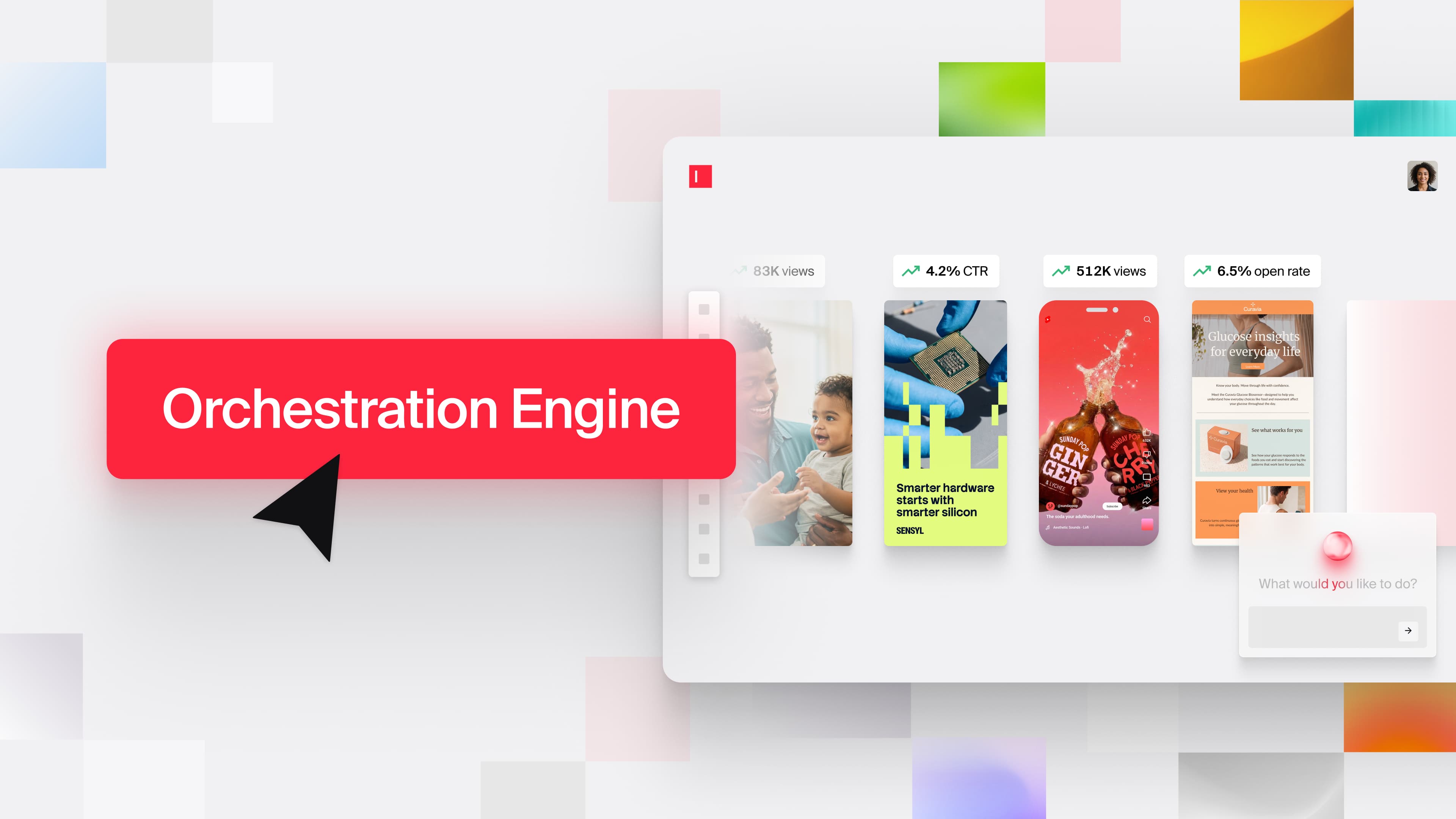
SeekVero editorial · Published · Prepared with AI assistance; no hands-on testing claimed.
Prepared from cited sources. No hands-on testing claimed.
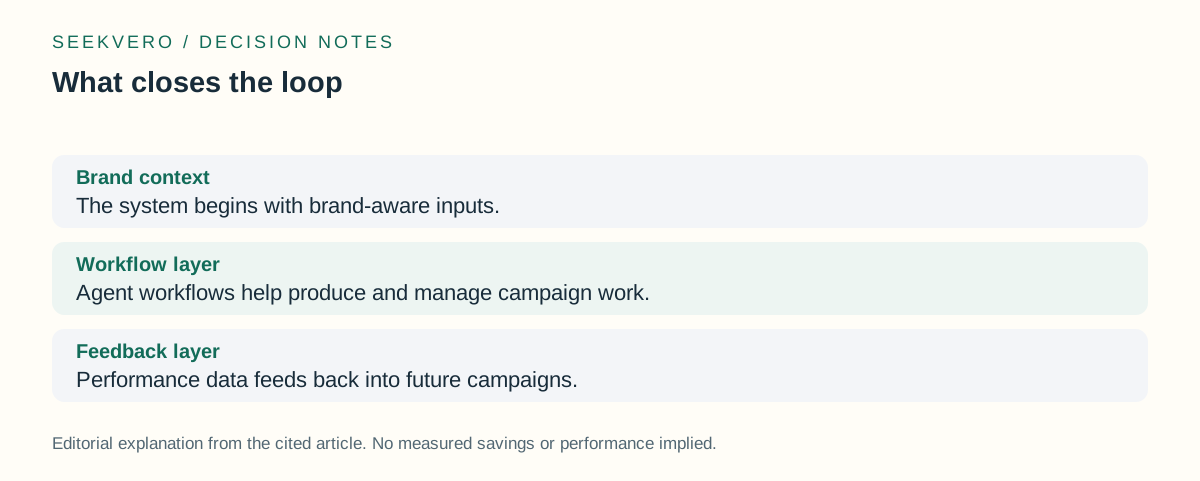
What closes the loop
Typeface says its newer system connects brand context, agent workflows, and performance feedback. In practical terms, that means the next campaign is not just planned from a brand brief; it can also reflect what the last campaign taught the system. [1]
- Start with the brand context so the campaign stays aligned to voice and positioning. [1]
- Run the workflow, then review what performed after launch. [1]
- Carry the feedback into the next campaign so the process improves over time. [1]
| Option or question | What to know |
|---|---|
| Brand context | The system begins with brand-aware inputs. [1] |
| Workflow layer | Agent workflows help produce and manage campaign work. [1] |
| Feedback layer | Performance data feeds back into future campaigns. [1] |
What changed on September 22, 2026
Typeface presented the next generation of its Orchestration Engine on September 22: Arc Graph supplies brand context, Arc Fabric coordinates work, and Arc Loop brings campaign results into later decisions. [1]
Its Arc Loop product page says recommendations display supporting metrics and sample sizes. Findings can update the next brief and become reusable knowledge in Arc Graph. Those are product claims, not an independent guarantee of improved campaign performance. [3]
A measured example, with limits
In a January 20 company case, Typeface described testing webinar emails across five personas, then expanding the strongest variant to a targeted segment. It reported twice its typical click-through rate and four times the email-to-registration conversion of generic blasts; about one-sixth of the original audience produced similar registrations. [2]
This predates the September release and is company-reported evidence. Audience selection and messaging changed together, so it cannot establish how much of the improvement came from AI alone. It illustrates a useful operating practice: let a measured result change the next audience and message. [2]
How to evaluate it for your next campaign
If you are deciding whether this approach fits your team, focus on three questions: can your brand context be captured cleanly, can workflows be operationalized without friction, and can performance feedback be used in the next cycle rather than left in a report. [1]
Not established: Public numeric pricing is not stated on the official pages reviewed, so any buying decision should start with fit and workflow needs rather than price comparison.
- Choose one conversion goal and record the audience, spend, creative, and measurement window before testing. [1] [3]
- Change one major variable where practical, retain a comparison, and check sample size before treating a winning message as a reusable pattern. [2] [3]
- Record the exact next decision that changed: headline, offer, format, visual, or audience. A dashboard alone does not demonstrate that this happened. [1] [3]
- Not established: Evaluate integration fit and request a vendor quote before estimating savings; no public numeric price was verified.
| Option or question | What to know |
|---|---|
| Best fit question | Does the system help your team reuse performance feedback in the next campaign? [1] |
| Pricing visibility | Not established: No public numeric pricing was stated on the reviewed official pages. |
| Decision lens | Prioritize workflow fit and feedback reuse over speculation about cost. [1] |
Frequently asked questions
What is the core idea behind closed-loop marketing here?
The core idea is that performance from one campaign feeds back into brand-aware workflows that shape the next campaign. [1]
Is there public pricing for the system?
Not established: Not on the official pages reviewed. Public numeric pricing was not stated.
Next step
This is an informational next step that points readers to the official product announcement and related details.
Read the official details on closing marketing's open loop.